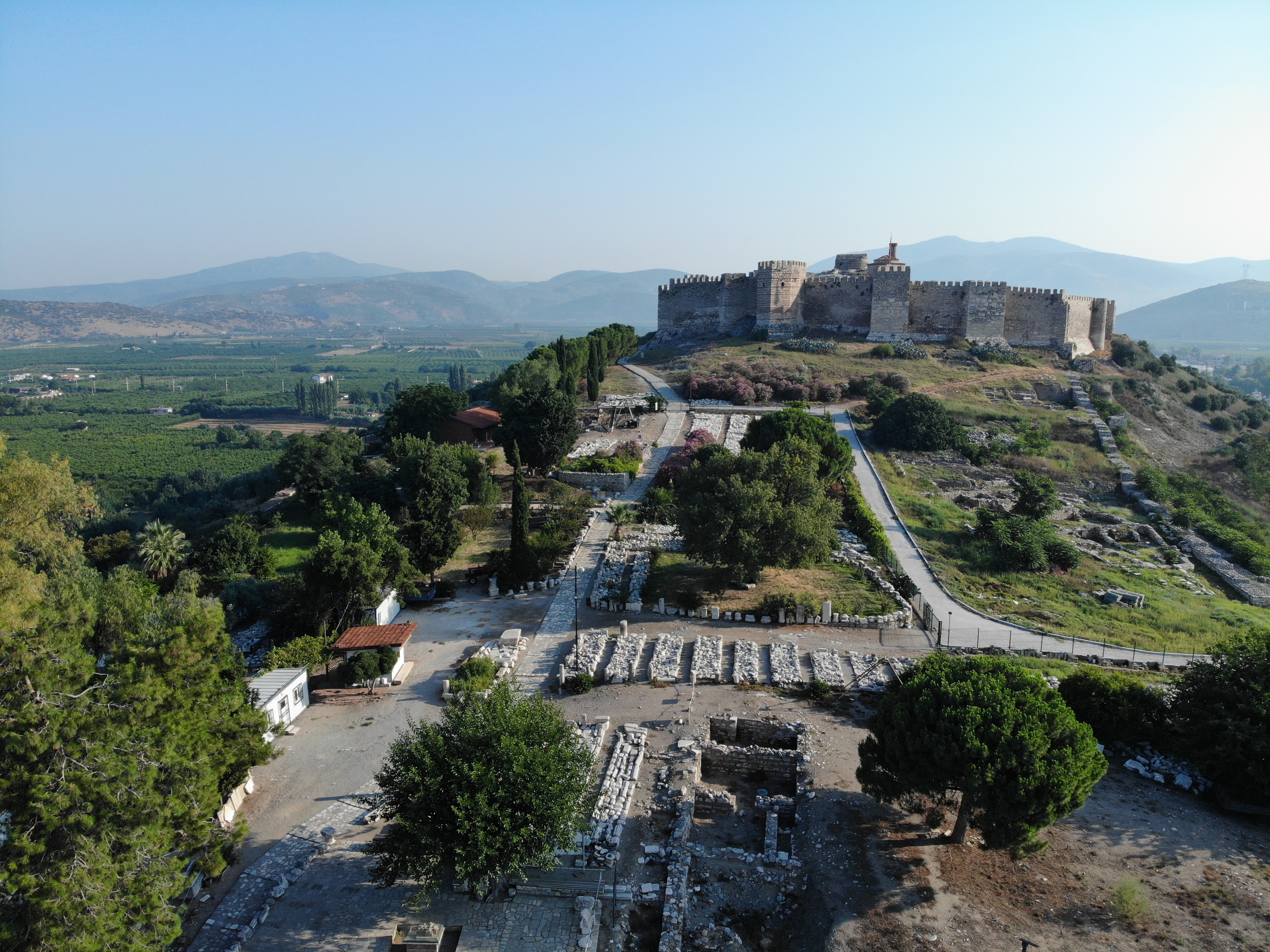
Ayasuluk Hill & St. John Basilica
Architecture and Archaeology: Ayasuluk Hill Documentation
Archaeological Documentation & Digital Survey in Selçuk, Türkiye
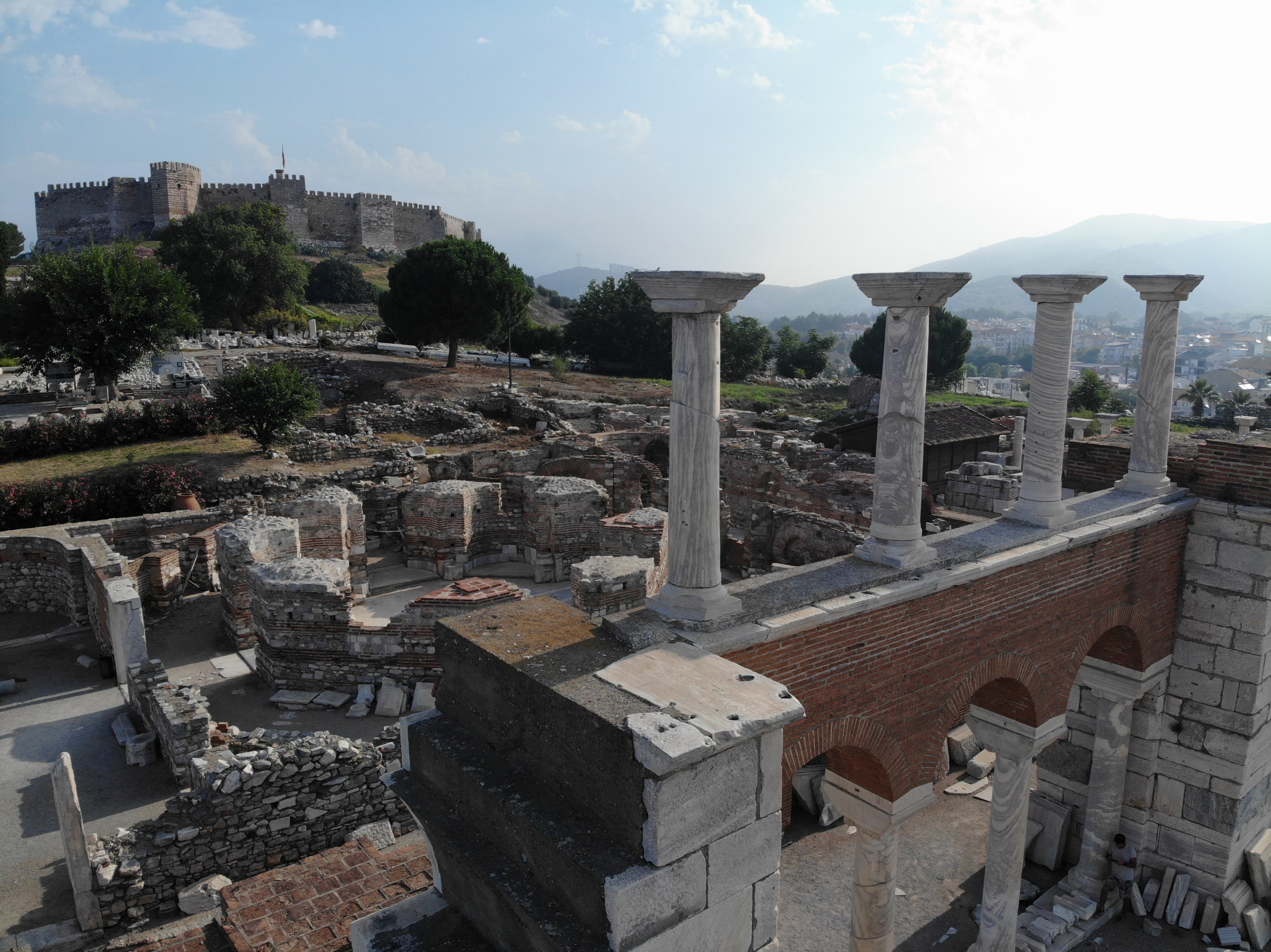
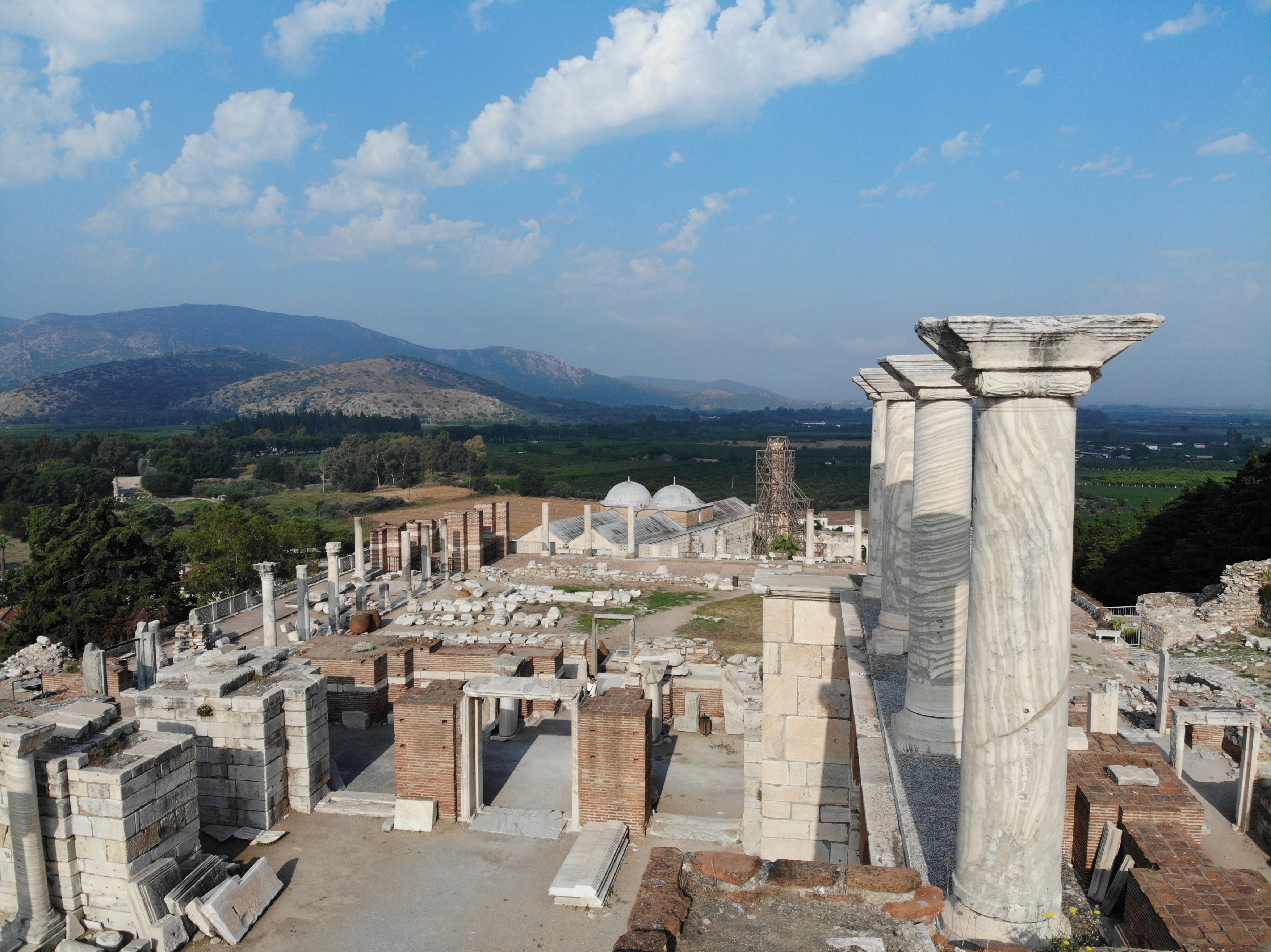
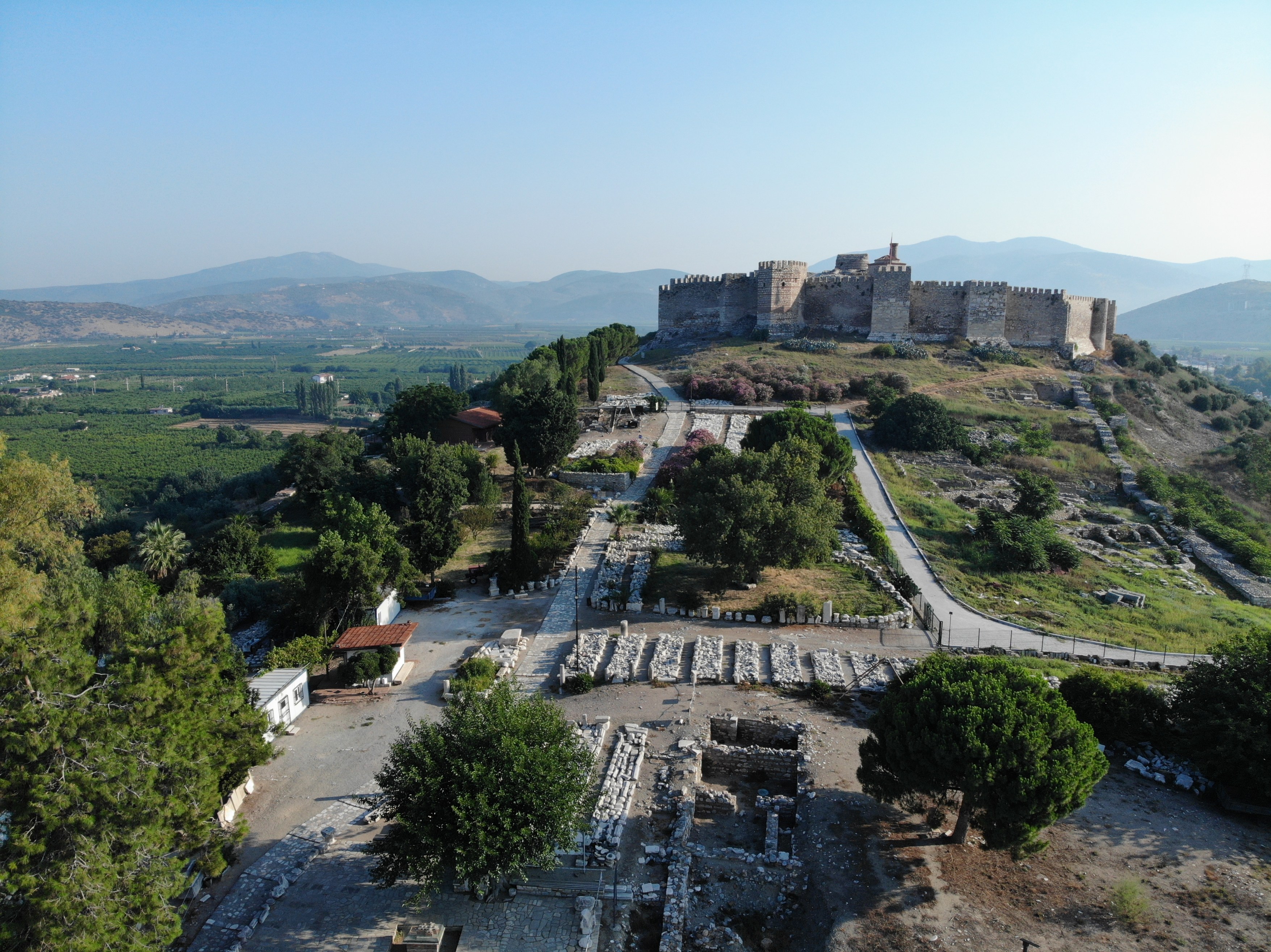
Located in Selçuk, İzmir, Ayasuluk Hill and the Basilica of St. John form one of the most significant archaeological areas of western Anatolia. The hill marks the original settlement core of Ephesus, once a thriving Hellenistic and Roman port city that later shifted toward the inland valley. The Basilica of St. John, built in the 6th century by Emperor Justinian, stands as a monumental landmark of Byzantine architecture, preserving both the sacred memory of the Apostle John and the layered cultural history of Ephesus.
Within this historically charged landscape, Materra Studio joined the excavation as part of the volunteer architectural team, contributing to the ongoing heritage research with architectural surveying and digital documentation. Our role was to support the restoration and recording process through architectural precision, introducing new methodologies that bridged the gap between traditional excavation and contemporary digital practice.
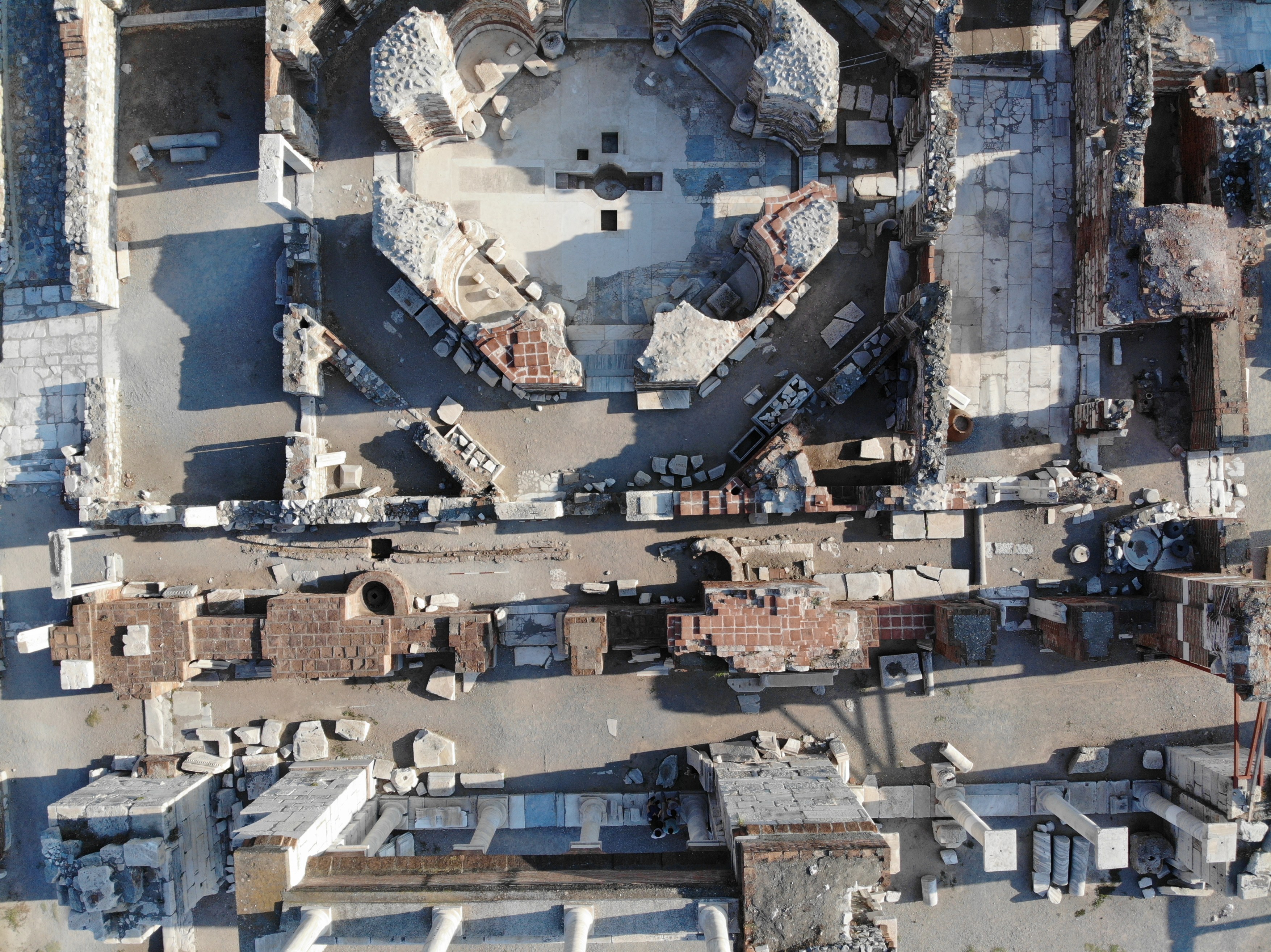
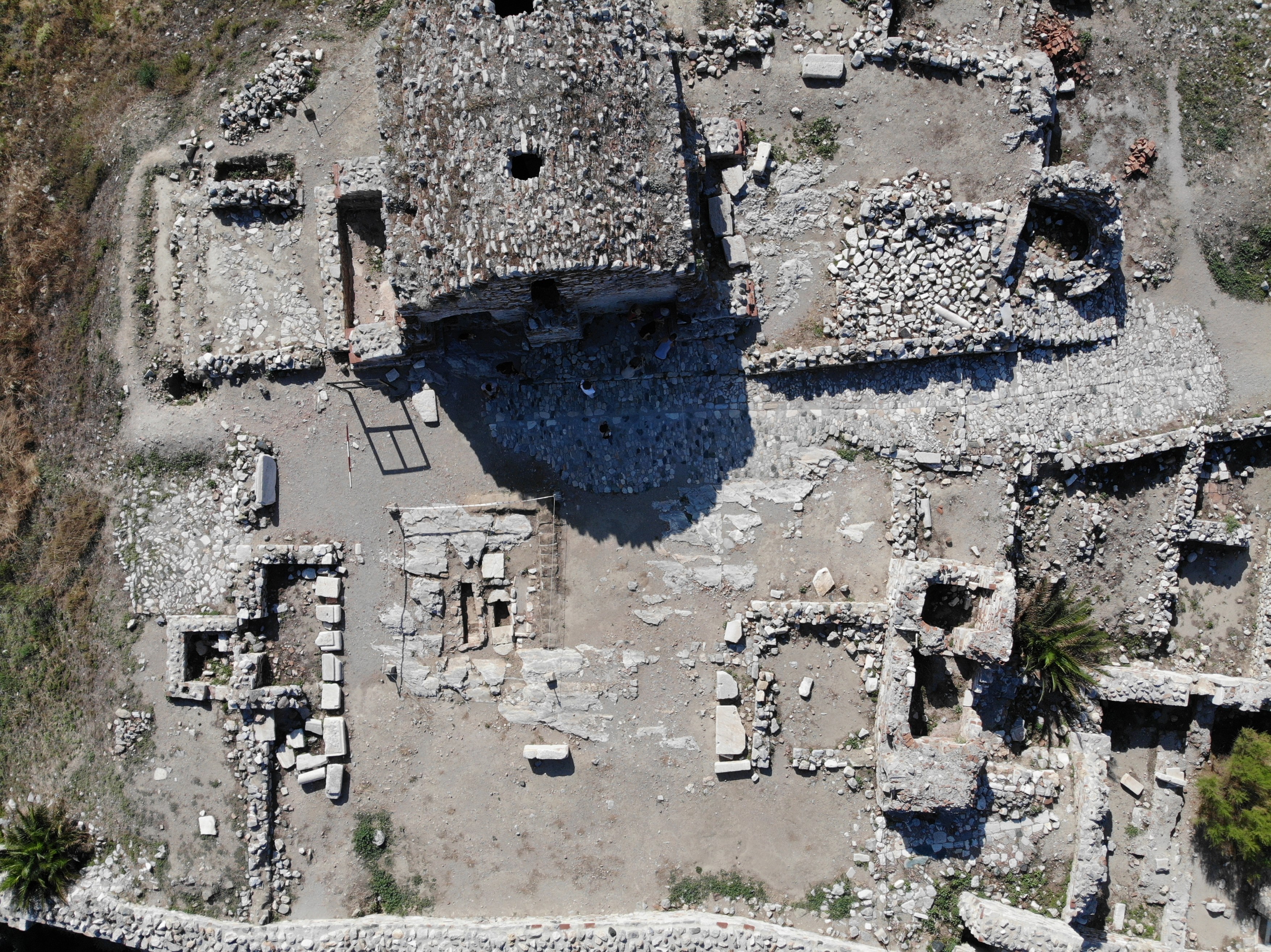
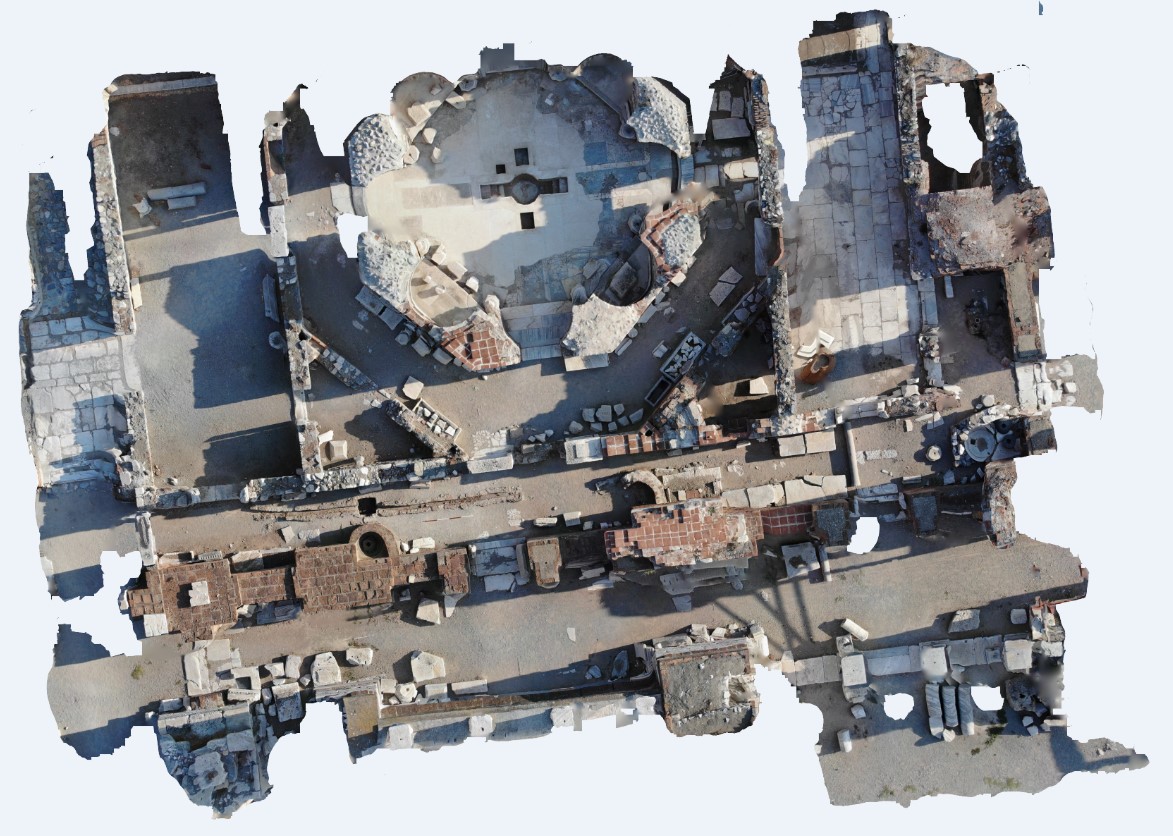
While the archaeological site has been studied for over a century, this collaboration marked the first comprehensive digital documentation of the Basilica and its surroundings. Before our involvement, all architectural surveys at Ayasuluk were produced through analog and manual techniques. Materra Studio introduced LiDAR scanning, photogrammetry, and drone-based mapping, not only generating highly accurate and measurable datasets but also training the excavation team in these digital tools. These technologies allowed the entire site to be documented with a level of precision and efficiency previously unattainable.
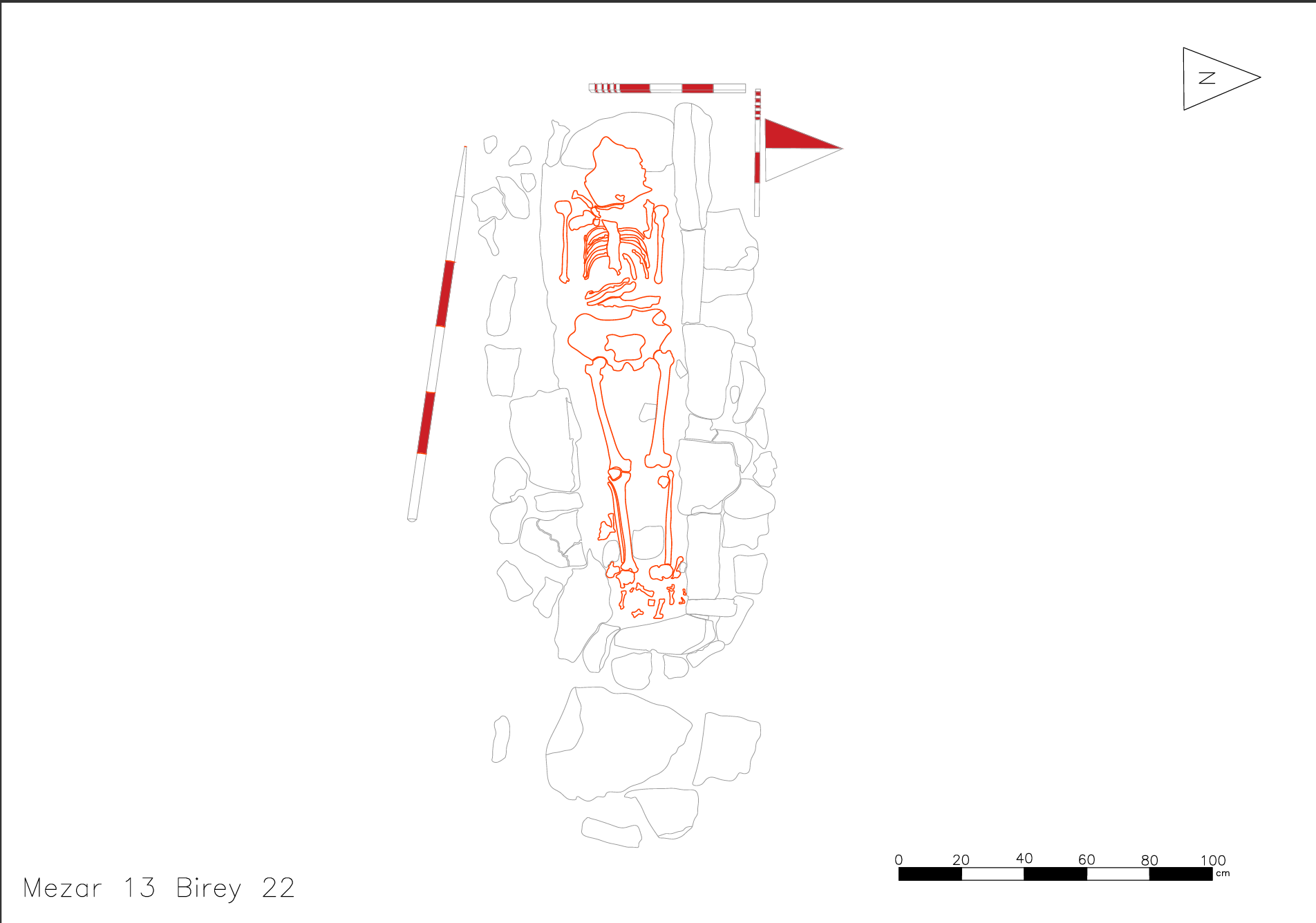
Through these methods, more than 11 sarcophagi, the Baptistery, and adjacent olive press structures were measured, modeled, and cross-referenced with manual architectural surveys to ensure scientific reliability. This workflow produced orthophotos, 3D models, and detailed CAD drawings that provided archaeologists with spatial clarity, while establishing a new standard for documentation within the excavation.
The architectural contribution was essential: although archaeologists can draft measured drawings, official conservation authorities in Turkey require that architectural documentation be prepared and validated by architects. Materra Studio’s involvement therefore ensured that the documentation met both scientific and institutional standards, securing its future usability in restoration and heritage preservation processes.
For Materra Studio, the project redefined the relationship between architecture and archaeology, revealing how architectural thinking can act as a bridge between past and present, transforming excavation into an act of spatial reconstruction and cultural continuity.
- Location: Selçuk, Turkey
- Program: Archaeological Documentation & Digital Survey
- Year: 2023
- Type: Cultural Heritage / Architectural Research
- Team: Elif Çolak Çağın & Can Emre Çağın
- Tools: LiDAR, Agisoft Metashape, AutoCAD, Photoshop, UAV Imaging

 materra.studio